


Eighteen months of the preventable wasting of a domestic resource that could be powering people’s homes instead of being left to escape into the atmosphere. And 18 months of trapping even more heat and driving climate change once it’s up there.
That’s essentially the scenario the Trump administration set into motion last winter when it delayed implementing new standards for methane.
Developed with buy-in from oil and gas companies themselves and finalized in 2024, the standards were designed to encourage operators to find leaks, maintain equipment and cut down on wasted energy. Methane is the primary component of natural gas, of course — and it’s also the most potent climate pollutant, responsible for nearly a third of the warming we’re already experiencing. Methane doesn’t hang in the atmosphere as long as carbon dioxide does, but it traps more than 80 times as much heat.
But Trump’s EPA still pushed back requirements to comply with the standards for as long as 18 months — typical, really, for an administration that also tried to throw out limits on carbon pollution for power plants.
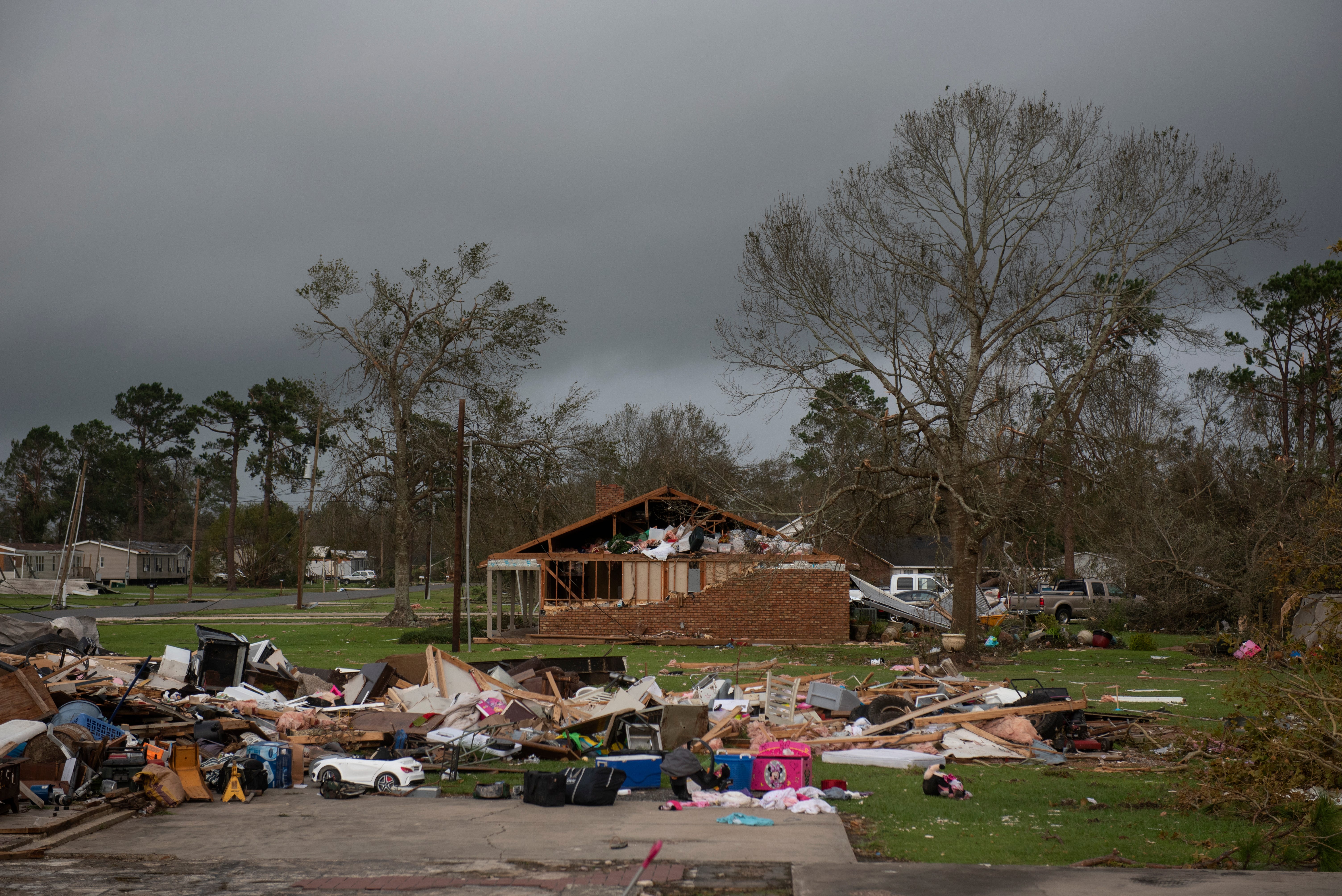
Together, though, carbon and methane pollution are costing us dearly, making extreme weather more extreme and creating waves of devastation in every part of the country. Though the Trump administration stopped keeping track shortly after taking office, Climate Central concluded that there’ve been 21 billion-dollar weather disasters in 2026 alone, claiming more than 200 lives and costing more than $50 billion.
Can we really afford any more of that?
My colleagues on Environmental Defense Fund’s Legal and Regulatory team were in court in D.C. yesterday to argue that the delay is illegal. You can read more about the lawsuit here, and we’ll share updates as the story advances here, too.
‘The weather’s changing’
With Tropical Storm Rachel flooding the Las Vegas Strip and multiple wildfires threatening Michigan’s Upper Peninsula and southern California at the same time, the idea that we can afford even one more month of heat-trapping methane escaping into the atmosphere seems preposterous.
It’s clear by now there are no safe havens from extreme weather. As climate change continues to intensify “unnatural” disasters like these, the costs to insure homes and properties against damages have climbed, too. Nationwide, home insurance premiums increased by 46 percent in the past five years, The New York Times reported, writing, “The burden of insurance has gotten to the point where an estimated one-in-seven homeowners are opting to go without insurance to pay other bills.”
Ahead of the midterms, the Times wrote, the insurance burden has become a “top voter concern” across the country and is shaping races. Federal policies aren’t helping, and families are hurting. Facing a sudden $1,000 mortgage spike in Kansas, for example, which has been plagued by tornadoes, heavy winds and hail, one couple sold their home and moved into a rental where they could at least be closer to their twin daughters’ doctors. The girls’ father said, “It’s harder and harder to take care of all the things we need and the taxes to pay — the weather’s changing and insurance is harder and harder to afford.”
Stories from the States
Texas
I haven’t been able to stop thinking about the $72 billion in extra health care costs being imposed on the U.S. by the Trump administration’s energy and environmental policies, as the Associated Press reported last week. It’s a staggering amount of mismanagement — but health care costs might only be the start of it for some families.
After he retired, Leroy Wallace and his wife bought their “dream home” and relocated to be closer to their grandchildren, who are in school near Houston. From their backyard, though, the Wallaces can see the smokestacks of the largest power plant in Texas — a known polluter that received an exemption from Trump’s EPA anyway to ignore clean air laws and release even more pollution.
Now, Wallace said, there are evenings when he is “overwhelmed” by “a bitterness in the air and a burning sensation in his nose and throat.”
Add moving expenses to the administration’s tab, then? He’s had enough. “When my youngest grandchildren graduate from high school in a few years,” he said, “my wife and I plan to move in search of cleaner air.”
Thank you for the detailed documentation with more insight into how these rollbacks will impact daily life. What a striking detail about how these climate disasters are impacting insurance affordability for everyone.