


Energy Secretary Chris Wright kicked off the week inadvertently slamming the Trump administration’s handling of the economy, saying in a press conference early Monday, “As you grow production of energy, prices go down.”

And when you don’t?
Because what the Trump administration has done is block production of the cheapest and fastest-to-build energy sources we have.
Sure enough, household electricity prices have gone up by 18%.
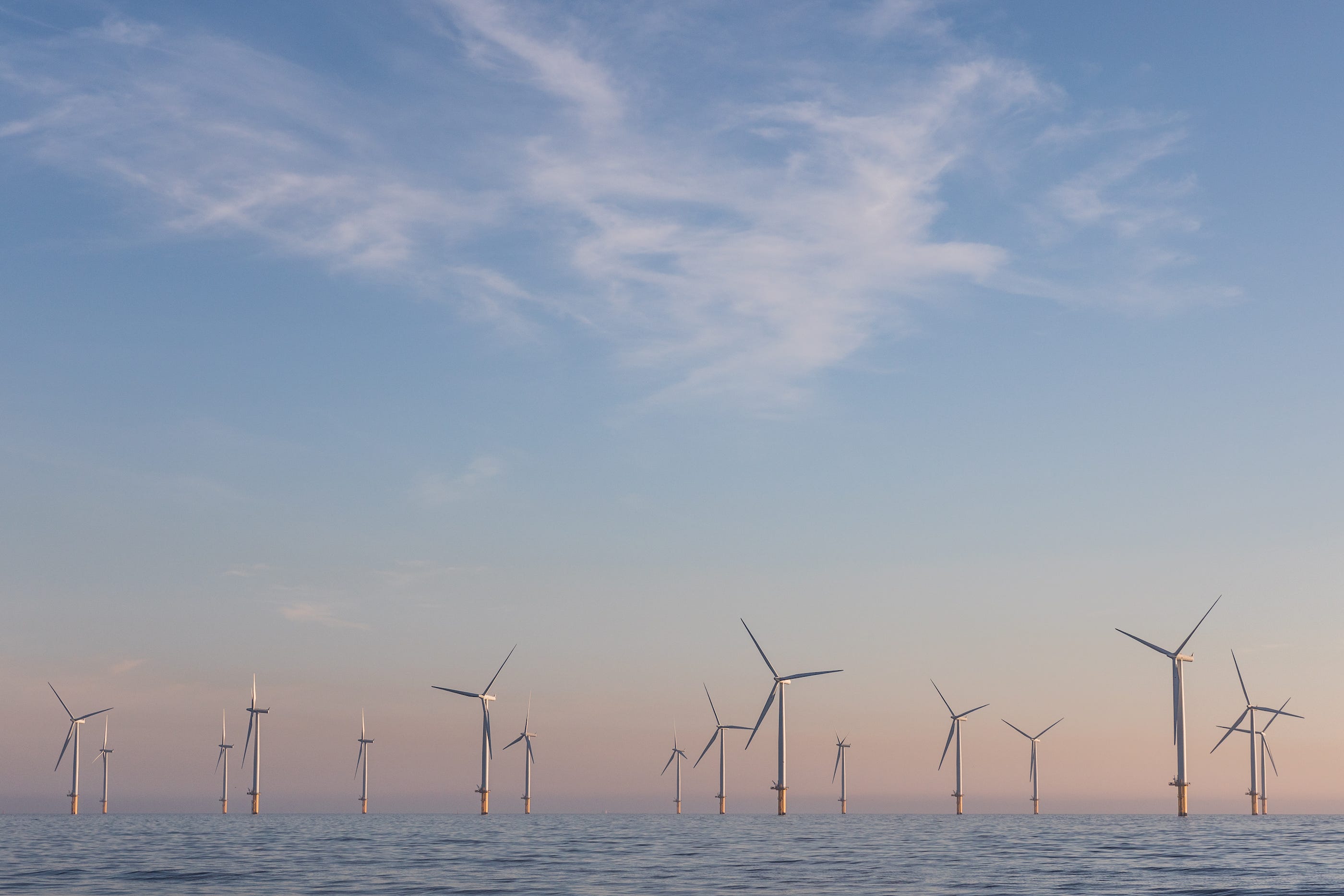
Last week, the administration once again chose not to grow production of energy, spending $765 million more in public money instead to pay a private company to abandon wind projects it had planned to build off the shore of California, Maine and New York.
It’s done this three times now. After going 0 for 5 in court last year trying to keep offshore wind projects that were under construction from being completed, the administration started paying companies to walk away from projects before they even got going. (The first of these deals is being challenged in court.) These reversals aren’t simply one-for-one, this kind of energy-for-that kind swaps, one policy expert explained to The Associated Press. The location of the source matters to ensure power is delivered where it’s needed most.
In all, The New York Times reported, “the government has so far spent roughly $2.5 billion to get companies to terminate their offshore wind leases.” The projects would have generated enough power for at least 4.4 million homes.
Instead of growing the production of the kinds of energy that will lower costs — and lower the amount of pollution that threatens people’s health and safety — this administration keeps expecting the American people to subsidize its fossilized ideas. During a blustery cold snap this winter, for example, a still-under-construction wind project off the coast of Massachusetts was generating so much power that it saved customers more than $2 million a day that they would have had to spend on costly natural gas.
And it was one of the five the Trump administration tried and failed to keep from being completed.
It’s also spent the past year and a half issuing executive orders preemptively banning wind projects, tying up hundreds of permits and canceling grants for other sources of clean energy that were already in progress. The so-called One, Big, Beautiful Bill Act — signed into law a year ago next week — also made it harder to build new clean energy going forward by slashing the timeline by which developers can qualify for certain tax credits.
For now, while the solar and wind projects that have managed to avoid the administration’s attacks have made up the overwhelming percentage of new energy added to the grid the last two years, the credits that enabled them are expiring soon — right when data centers are expected to double the amount of power they use in the next few years.