


AFTER WHAT HAD TO HAVE BEEN my sixth or seventh refill of water, the bartender finally made a joke. “Delicious, isn’t it?”
The fried okra was salty, and I’d had a long day. But he wasn’t wrong.
I was having dinner in Owensboro, Kentucky, at The Miller House, which has one of the largest collections of bourbon in the state. Even though Owensboro’s on the Ohio River, the city sources its water from an underground aquifer. “Water from the river,” he said with a shudder, “is nasty.”
A century of voracious industrialization before the U.S. Environmental Protection Agency was established will do that.
The primary ingredient in bourbon, of course, is water. And purists will say it has to be Kentucky limestone water, which achieves a pH balance and absorbs minerals that support the fermentation process and distinguish the flavor. Without the water, there is no Bourbon Country, and no one wants anyone messing with either.
But the Trump administration is letting at least three large industrial facilities mess with the entire region, and all it took was an email.
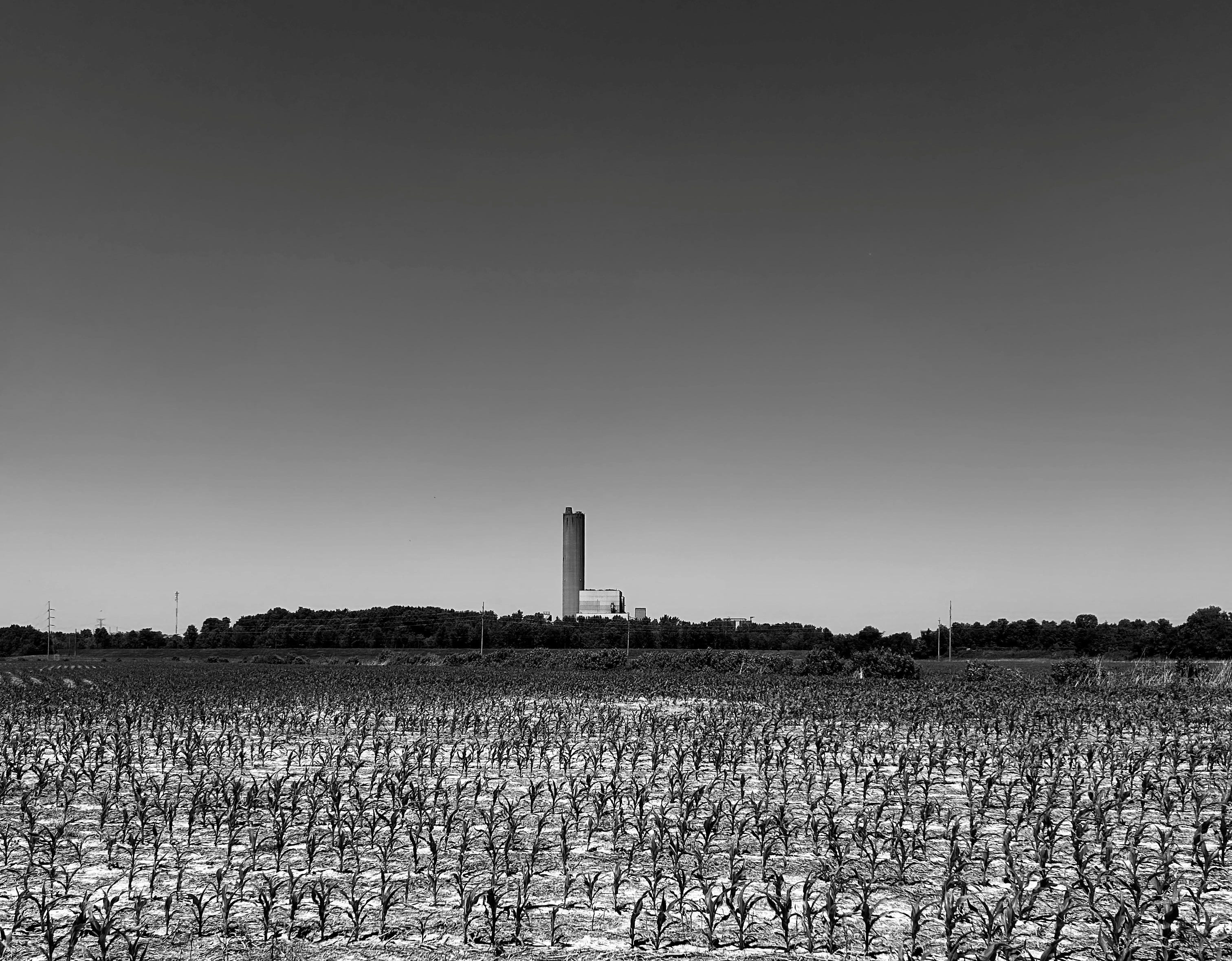
One is a decades-old coal-burning power plant just south of Owensboro. There, barges float in a tributary of the Ohio River beside dark heaps of the stuff that gets carried on rust-bitten elevators over the highway toward the plant’s solitary smokestack. The operation dominates the landscape, surrounded by family farms and one-story churches and an old cemetery I saw carved out of the woods in the shape of a comma.
The D.B. Wilson coal plant is one of the 180 industrial facilities in 38 states the Trump administration unilaterally gave passes to pollute with impunity for as long as the next two years.
Last spring, his EPA set up a special email address and encouraged at least 500 facilities to request exemptions from clean air standards that are designed only to protect people’s health, ProPublica reported based on thousands of pages of documents that Environmental Defense Fund obtained through Freedom of Information Act requests. More than 70 of these facilities were already in violation of laws they’re being allowed to ignore.
The selection process does not appear to have been especially rigorous, either. One request was sent from an iPhone: “Hello, I am a gas company looking for an exemption. How do I start?”
“It’s being absolutely abused now,” a current EPA staffer who didn’t want to be named told ProPublica, “and it couldn’t be more obvious.”
Sen. Mark Kelly of Arizona tried to explain as much to EPA Administrator Lee Zeldin a few weeks ago.
The Wilson plant in Kentucky, for example, has the technology it needs to comply with the standards it suddenly said it can’t. The standard is meant to limit toxic air pollutants like mercury, which contaminates the soil and water and causes brain damage. Mercury even ends up in the fish people catch and eat. This part of the state ranks low nationally for overall health as it is, and few counties have less access to care. The last thing anyone needs is more exposure. But the Trump administration let the plant turn off technology it already installed.
More than 250,000 people live within a mile of the facilities that have been given these passes. If only there were someone they could email to request the same level of service from their government and get relief from all the pollution.
Mercury in retrograde
Coal-burning power plants are the single-largest source in the U.S. of mercury. Predictably, as the Trump administration has continuously championed the coal industry, mercury levels have risen in the country for the first time since 2018, The New York Times reported.
The heaviest surge — more than 160% as much — came out of another power plant just north of Owensboro on the very same river. “A tiny amount of mercury goes a long way,” a pediatrician and professor of environmental health told the Times. “The result, she said, are changes to intellectual development and behavior in children that might not be noticeable in the doctor’s office.”
At the same time, levels of two other harmful pollutants associated with coal plants are as high as they’ve been in decades, the EPA’s own data show.
The associated health costs — which can have lifelong consequences in academic achievement and learning potential — are piling on top of economic ones. The Trump administration has insisted we need coal plants to maintain a reliable electricity grid, as we detailed last week. But that’s not true. Coal equipment is unreliable, and coal is the most expensive source of energy we have. Still, the administration has overridden local plans and illegally ordered uneconomical plants in five states to stay open indefinitely past their retirements. Most have failed when demand was high or haven’t even been called on to run.
Nevertheless, it has cost $180 million — about $600,000 a day for nearly an entire year now — to keep one plant in Michigan going, costs that the utility that owns the plant is passing onto its customers in 11 states.
Today, a coalition of states and public interest groups, including Environmental Defense Fund, is in court challenging the legality of the order. You can learn more about the challenge here.
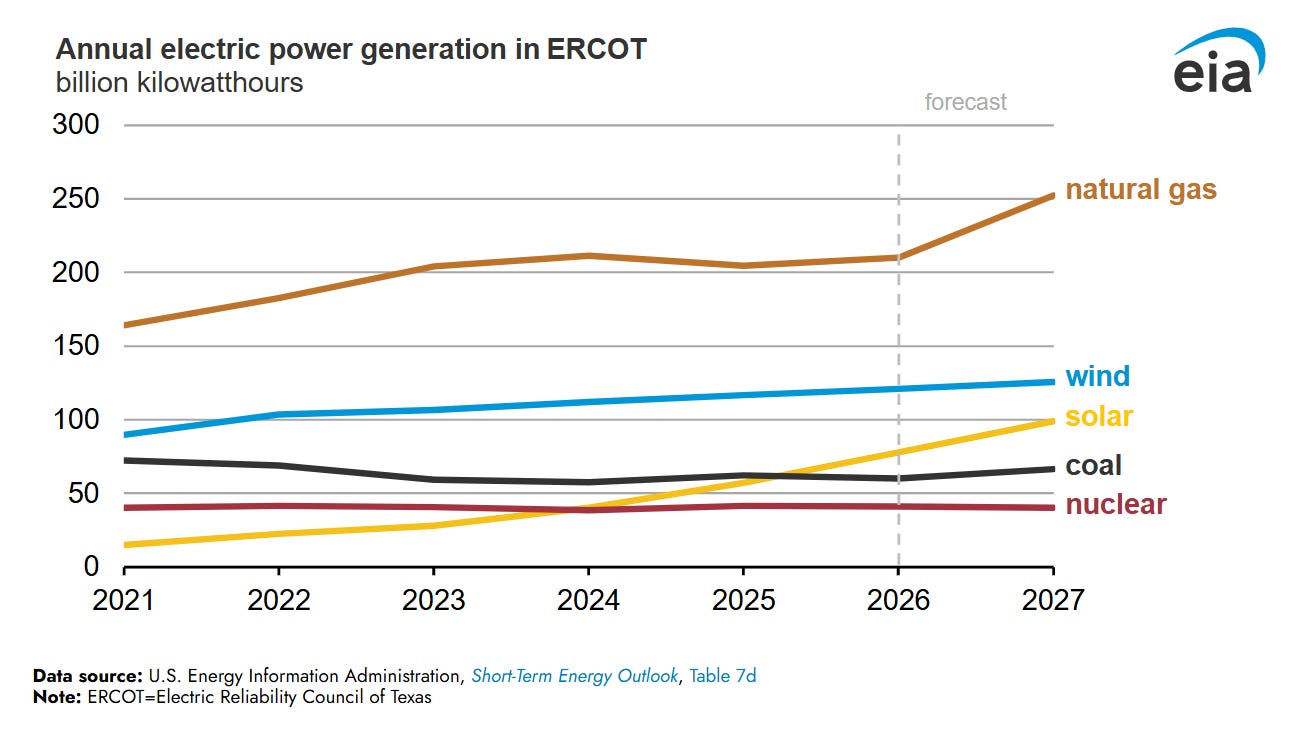
Hey, look on the bright side: The Trump administration might be refusing to do so, but the economy is clearly moving on from coal. If projections hold, Texas is on track to get more of its electricity this year from solar than coal for the first time ever, according to the Energy Information Administration. And it’s happening in a rapidly growing state where demand keeps breaking records.
Is ‘regulation’ really the burden?
The latest health protection the Trump administration is attempting to delay for two more years is a stronger pollution standard for news cars, trucks and SUVs.
The standard is meant to reduce the amount of pollutants like smog and soot that can cause heart and lung disease and premature death. The closer you live to freeways, ports, warehouses and busy roads, the worse this pollution tends to get. Delaying the standard could impose billions of dollars in new costs at a time when just about everything else — electricity bills, groceries, insurance premiums, you name it — is straining just about everyone’s budgets.
The delay also throws a wrench in automakers’ long-term plans, amid the larger regulatory uncertainty unleashed by the Trump administration. “Manufacturers are already building new cars and trucks using low-cost technologies that reduce this harmful pollution,” Peter Zalzal, my colleague at Environmental Defense Fund, said in a statement.
It’s another example of the administration congratulating itself for saving Americans from the burdens of “regulation.” But the administration’s only shifting the burden away from the largest corporations to the rest of us.
Their math doesn’t add up: An analysis found that implementing these standards costs automakers less than $100 per vehicle; asthma inhalers can cost twice that without insurance. Even with insurance, an ambulance trip to the ER to treat an attack starts at about $500.
‘The wind is bullshit’
Last summer, the Trump administration also bragged openly about providing “concierge, white-glove service” for a few favored industries — the same ones the president hit up for billions of dollars in donations when he was campaigning.
But President Trump has reserved special ire for clean energy, one source of it more than others. “The wind, it sounds so wonderful,” he said, channeling the worst poets of his generation. “The wind is bullshit.”
Thus his administration issued an executive order on its first day (later struck down by a federal judge) to keep wind energy projects from being completed while finding nearly $2 billion to pay developers to cancel their own projects. Enough affordable, reliable electricity to power millions of homes — without making heat waves and sea level rise and hurricanes more extreme and pushing up insurance premiums — was paid to go away.
It didn’t make a lot of sense to North Carolina Gov. Josh Stein.

But it’s been one thing like this after another. This winter, the White House budget director illegally attempted to claw back billions of dollars in grants for clean energy projects only in states President Trump lost in 2024. The Department of Interior then set up a permitting “blockade” for hundreds of wind and solar energy projects, even on private property.
This week, Canary Media reported a new tactic, which is that wind has been upgraded from mere “bullshit” to a national security threat. The Department of Defense is now also sitting on permit applications for as many as 250 more projects, keeping much-needed megawatts from benefiting people and punishing the economy. “Such delays are costly for developers, which must continue paying to lease land and maintain grid connections as their timeline for generating power and revenue grows longer,” Kathryn Krawczyk reported. “The extra wait also puts companies at risk of missing key deadlines for securing federal tax credits — deadlines that the One Big Beautiful Bill Act shortened dramatically.”