



The Trump administration often tries to call things it wants to go away a “hoax.” President Trump did make his name as a branding expert, after all. Climate change? It’s been a “hoax” since 2012 at least.
Affordability, President Trump started claiming as voters voiced concerns about electricity prices? That’s a “hoax,” too.
This week, when the administration repealed the last remaining limits on the heat-trapping climate pollution that’s allowed to be released from fossil fuel-burning power plants, U.S. Environmental Protection Agency Administrator Lee Zeldin touted all the “savings” that would result. But a preliminary analysis of the impacts of the repeal — which was challenged in court yesterday — by my colleagues at Environmental Defense Fund shows those “savings” might be better thought of as a hoax themselves.
The increased pollution resulting from the repeal, the analysis found, would cause up to 84,000 extra premature deaths and more than $3 trillion in health and climate-related harms over the next two decades. “Tearing down our national protections against climate pollution from power plants will have enormous costs for the health, safety and well-being of families across the country,” EDF’s Vickie Patton told the Associated Press. “Americans everywhere are already suffering from record-breaking heat, more dangerous floods and storms and skyrocketing insurance costs.”
Also this week:
False emergency, real consequences
Dream Nightmare home
Stripping one state’s rights
Note: The Work will not be published next week. We’ll be back in your inboxes Friday, October 2.
An emergency in name only
Before the Trump administration threw out the limits on heat-trapping climate pollution at fossil fuel-burning power plants, the Department of Energy spent more than a year forcing more than a few of the same plants to stay open for a reason that’s now been flatly dismissed.
The “emergency” the DOE cited to justify orders appears to be one more hoax, a federal court concluded. The aging plants simply haven’t been needed to keep the A/C running and the lights on, data show, even during this year’s surge in demand from data centers and record-breaking extreme heat. But the orders to keep them open have imposed real costs.
The J.H. Campbell plant in Michigan — the plant at the center of the federal court judgment — has burned through $259 million for essentially no reason. Further analysis shows that the air pollution that’s resulted from the orders across the country has imposed harms that never had to happen. The pollution has “caused between 33 to 59 premature deaths, 46 emergency room visits for respiratory distress, 132 new cases of asthma, 7,548 missed school days, and 2,697 missed workdays totaling between $530 to $901 million” in losses that would have been avoided had the plants retired as planned.
Stories from the States
Texas
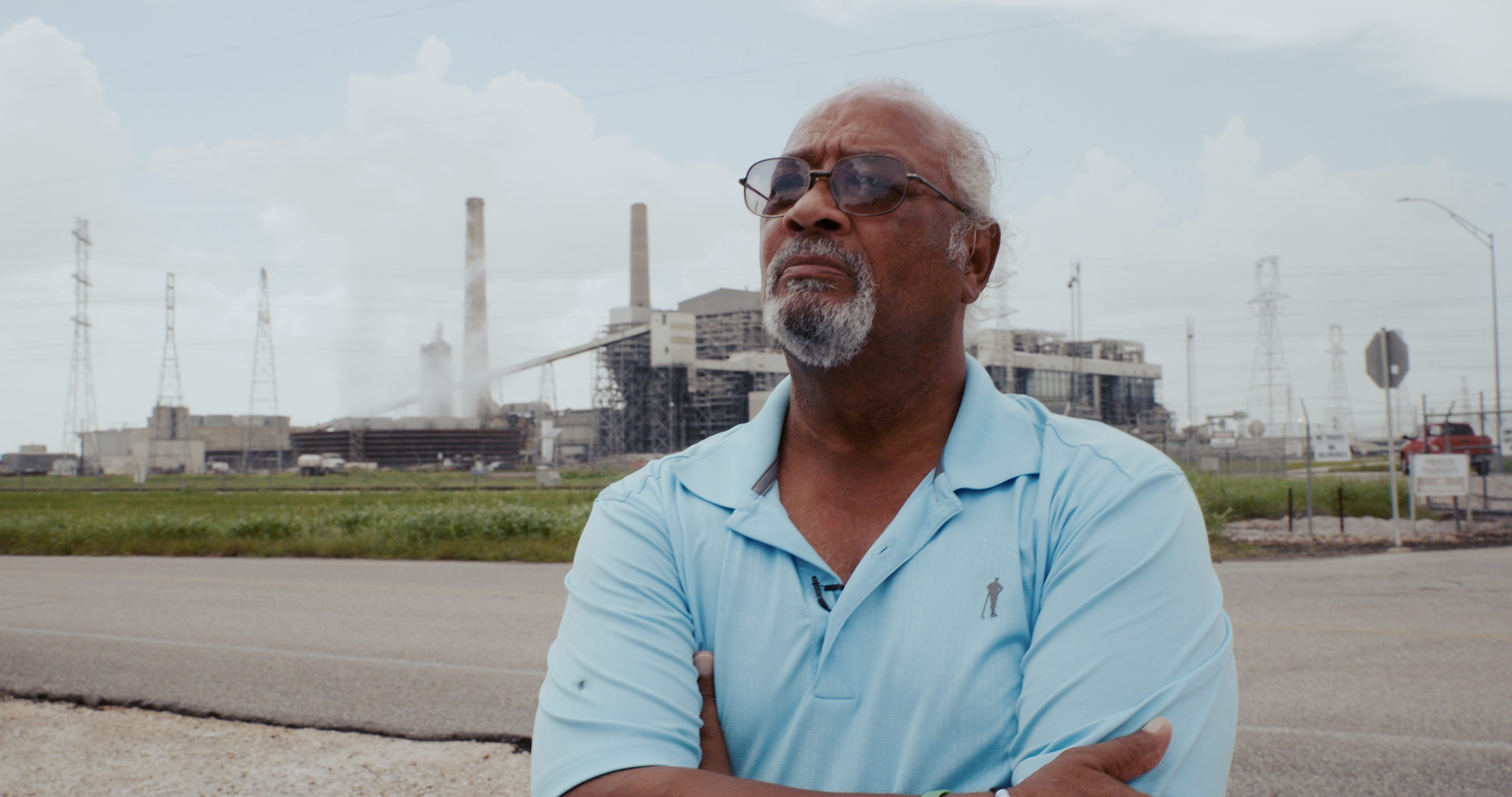
While Administrator Zeldin was announcing the repeal of the power plant rule at a gathering of energy executives in Houston, Lexi Ambrogi, my colleague at EDF, was on the other side of town, meeting with a man who feels as though the pollution from the plant he can see from his home is already too much for his family to live with. Lexi writes:
When Leroy Wallace retired from his career as a federal officer in Albuquerque and moved to the outskirts of Houston, he thought he’d found his dream home: closer to his big family, with deer wandering between yards and fish swimming in a lake behind his property line. But sometimes, when he goes outside in the evening, he’s overwhelmed by a bitterness in the air and a burning sensation when he breathes. An invitation to a meeting about the Parish power plant, slipped under his windshield wiper by a local advocate, changed how he thinks about the four towering stacks he can see from his backyard every day. Since then, the plant was given one of the Trump administration’s exemptions from laws limiting mercury and other toxic air pollution. And now this? What will it take to cut the plant’s pollution? When his youngest grandchildren graduate from high school in a few years, he said, he and his wife plan to sell their dream home and move in search of cleaner air.
California
California, which is home to the two largest and busiest ports in the country and more people than any other state, has long been granted waivers under the Clean Air Act to set pollution standards that are distinct from national ones to better protect its population’s health and bring fuel costs down. This week, though, the state’s right to set air quality standards for some waterborne vessels has been attacked, potentially allowing more toxic pollution to be released from ports and into communities along the coast. Both the House of Representatives and Senate could soon consider further steps to limit the traffic-choked state’s ability to protect the people who live there from even more kinds of transportation-related pollution.